


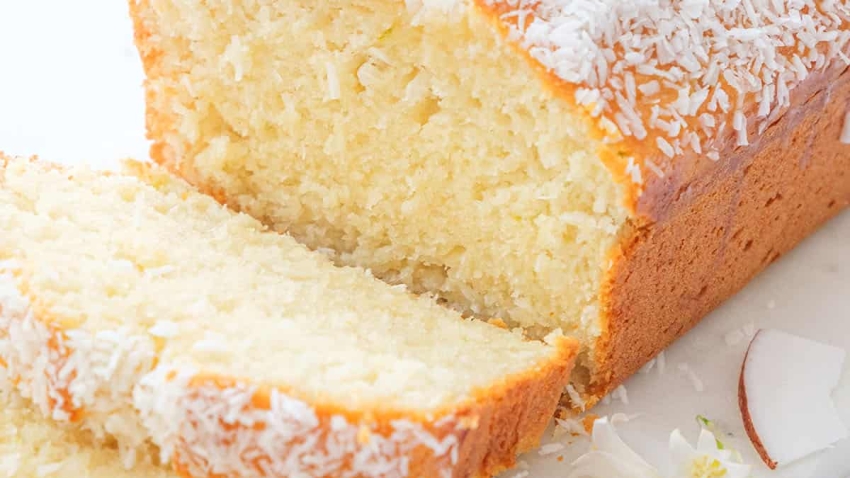
Coconut Bread Recipe – The clever meal
This post may contain affiliate links. Please read my disclosure policy for more details.
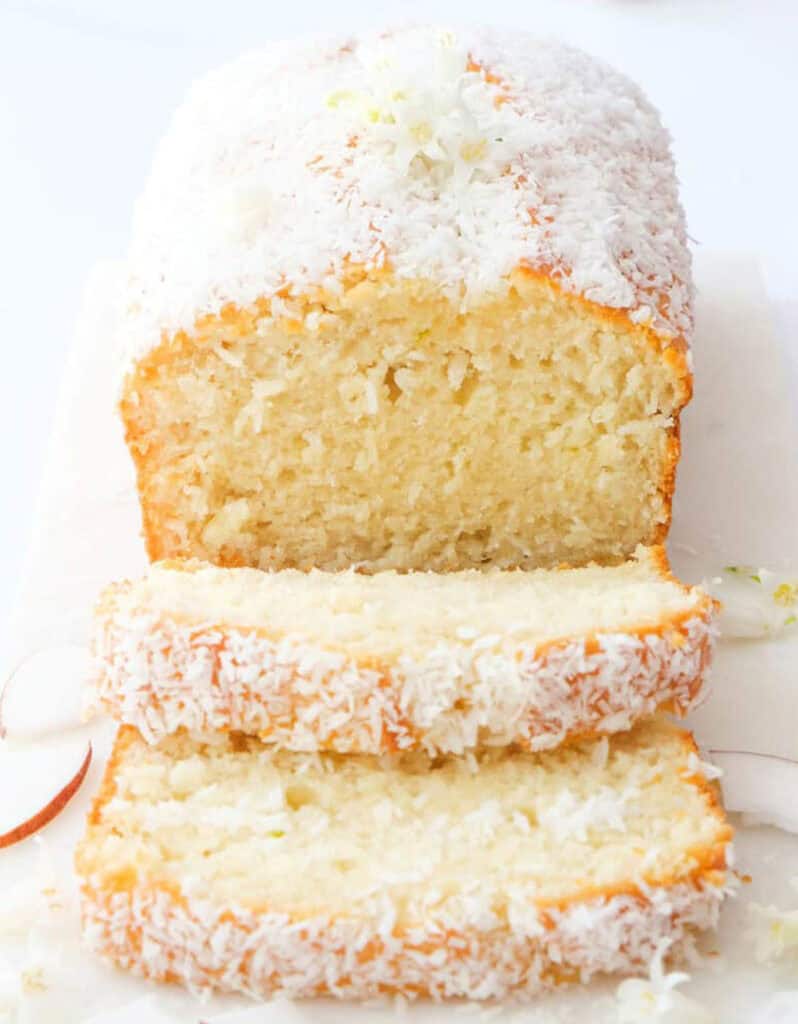
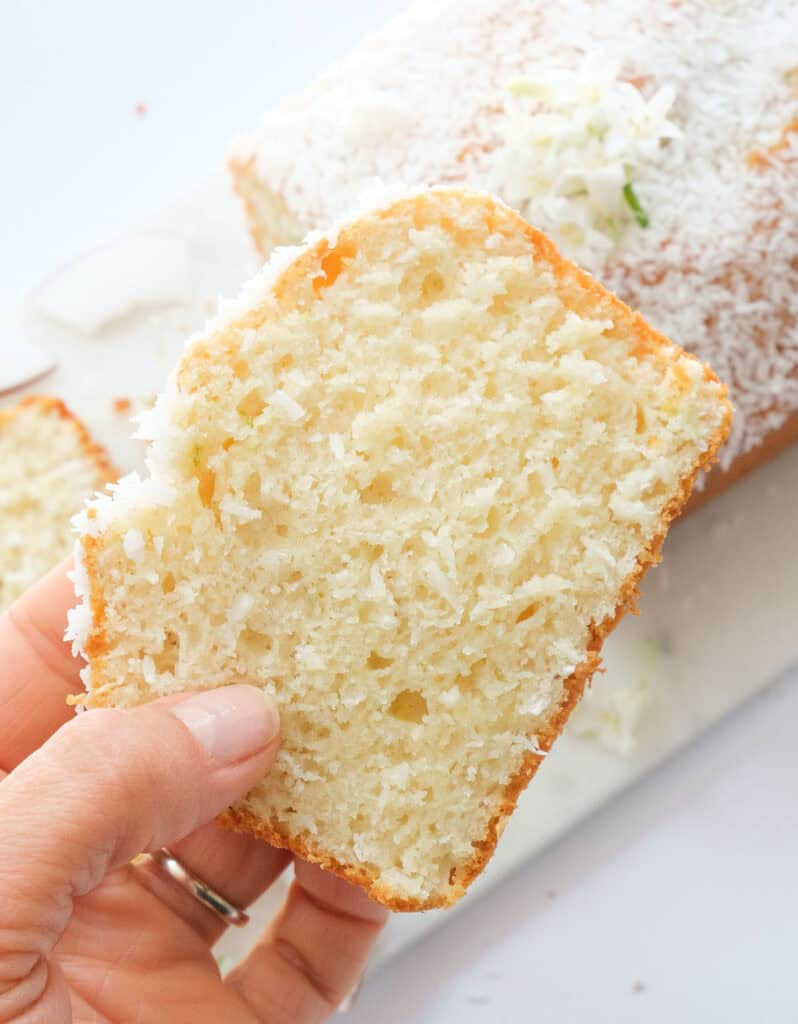
This simple coconut bread recipe uses creamy coconut yogurt, desiccated coconut, vanilla, and lime zest to make a springy and moist bread with all the coconut goodness we LOVE!
Published May 2024/updated April 2026
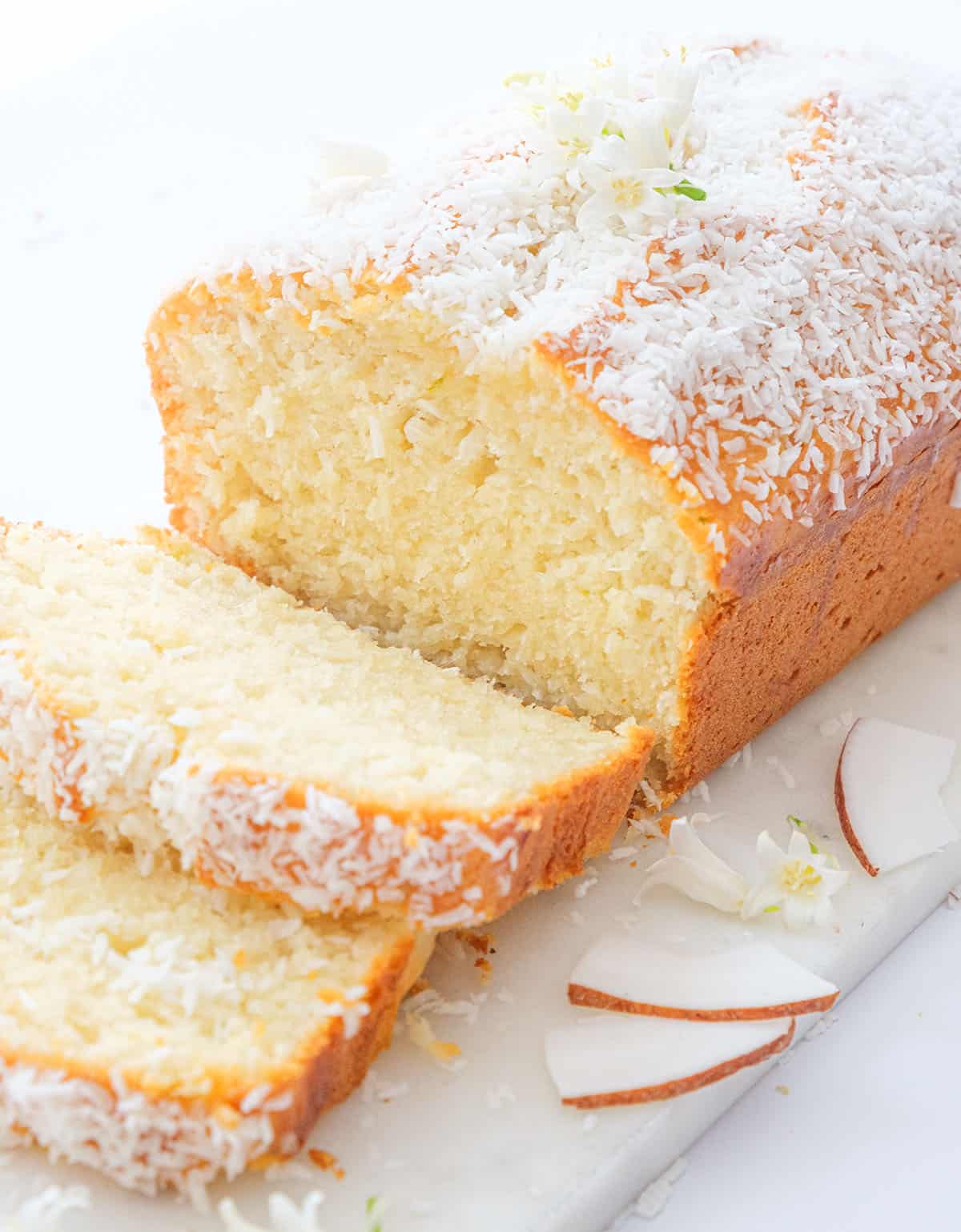
This week, I am re-sharing this beautiful coconut bread, which is just as moist and delicious as my popular easy yogurt bread, one of the most popular desserts on the blog.
Join my newsletter for free weekly recipes!
The recipe is pretty straightforward. The batter uses regular coconut yogurt, which is budget-friendly, high in protein, and full of delicious coconut flavor, along with desiccated coconut and fresh lime zest. This combination is guaranteed to deliver that delicious coconut flavor and that moist crumb we all love!
To make things even more delightful, we also have a sweet coconut glaze made with honey and grated coconut that makes the bread so pretty and adds a touch of sweetness, perfect for a sweet weekend brunch!
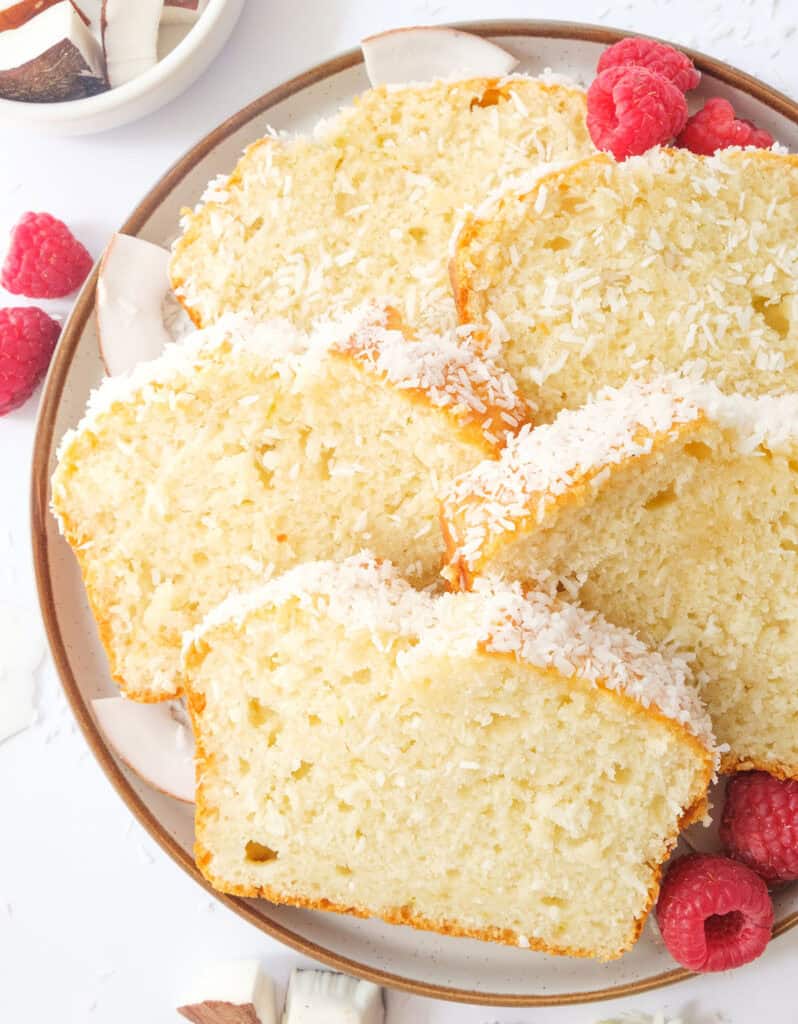
This is the coconut bread recipe that you’ll want to keep in your back pocket for a special breakfast, Mother’s Day, or any time you enjoy a cup of tea. It’s spongy, flavorful, and totally delicious with some fresh berries or slathered with your favorite jam. Enjoy!
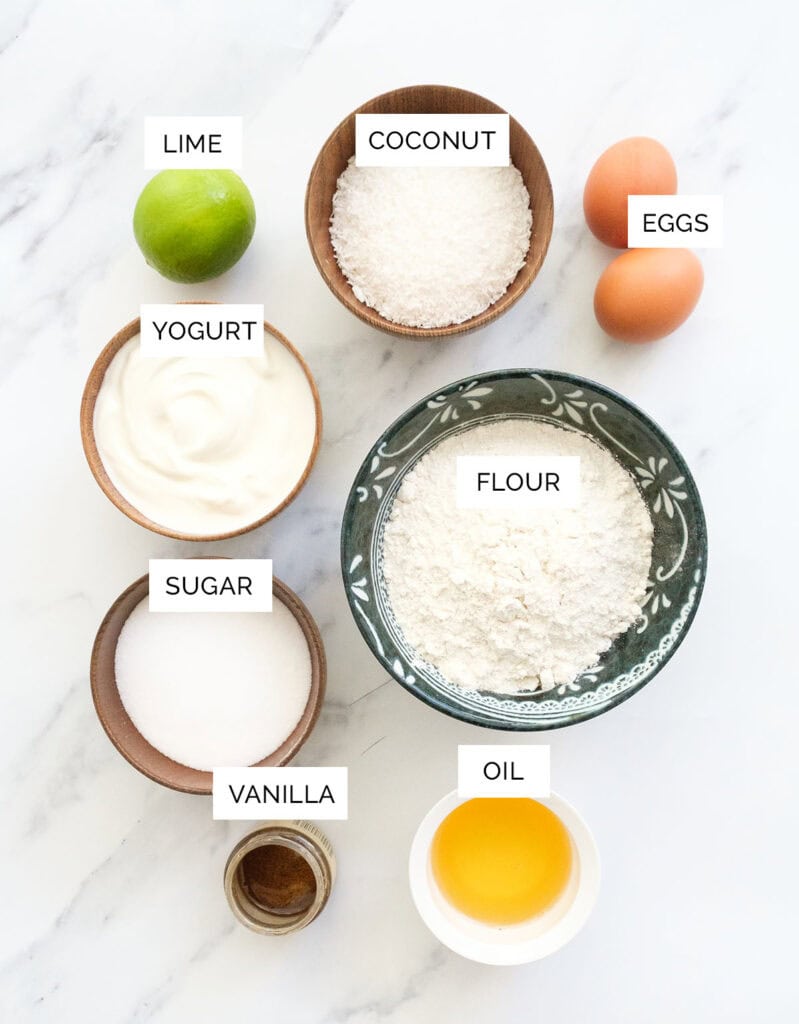
List of the ingredients
- Eggs
- All-purpose flour
- Coconut yogurt
- Desiccated grated coconut
- Sugar
- Vegetable oil
- Lime zest & vanilla extract
- Baking powder & salt
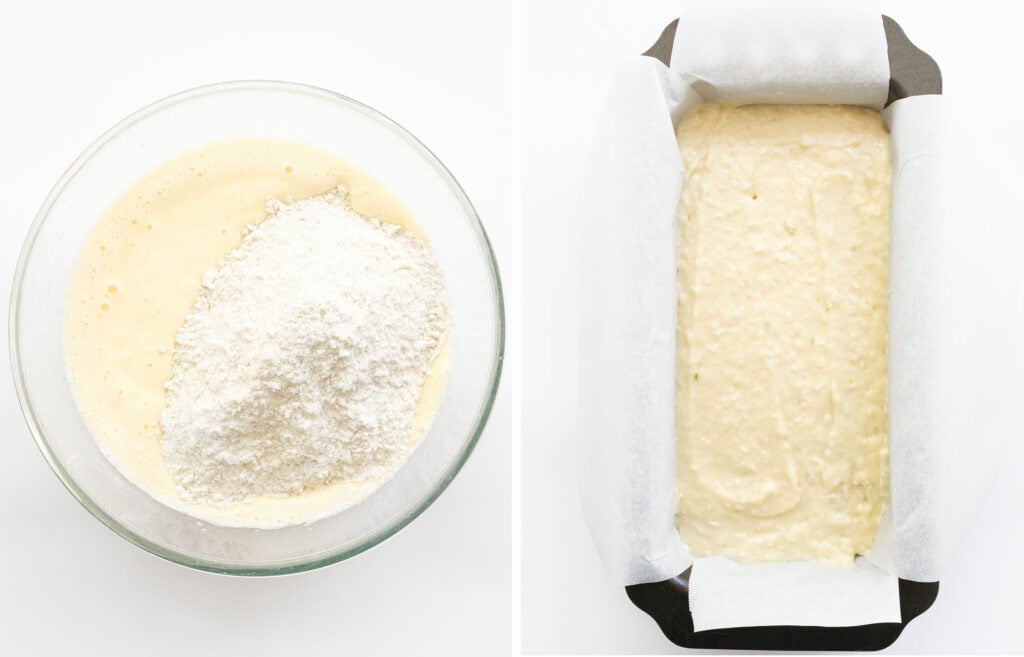
HOW TO MAKE COCONUT BREAD recipe
(Note: This is a quick description; the full recipe is at the bottom of the page.)
- Mix the dry ingredients in a bowl.
- In a second bowl, beat the eggs and sugar. I recommend using a stand mixer or an electric beater.
- Add the yogurt, vanilla extract, and oil. Beat for a few seconds.
- Stir in the flour mixture, then gently mix with a spatula until combined. Add the batter to the prepared loaf pan, level with a spatula, and bake.
- To dress it up, brush the bread with warm honey and sprinkle over the desiccated grated coconut or coconut flakes. But you’re welcome to dust it with icing sugar or drizzle with a lemon glaze or melted chocolate, as I did for this cake. Easy peasy!
Recipe Notes
ingredients & substitutions
Flour: You need plain/all-purpose flour, not bread flour. Self-rising flour will work, but it won’t rise as much. I’ve never tested the recipe with gluten-free flour.
Eggs: Use 2 large eggs at room temperature, not fridge-cold.
Sugar: Regular white sugar, caster sugar, or brown sugar are all perfectly fine.
Vegetable oil: It’s easy to stir into the batter and helps keep the crumbs moist. Any neutral-flavored oil, such as canola or vegetable oil, will work fine.
Grated coconut: I used unsweetened desiccated grated coconut (not coconut flour!), which is easy to find in the baking aisle and inexpensive. You can also coarsely grind shredded dessiccated coconut in a food processor—that would work just fine. To use coconut leftovers, check out my delicious coconut cookies and chocolate chip cookies!
Yogurt: I used full-fat dairy coconut yogurt, which is creamy, full of coconut taste, and adds plenty of moisture, and I think it works better than coconut milk in terms of flavor and texture. But dairy-free coconut yogurt works as well if you wish for a dairy-free version. Make sure the yogurt is at room temperature.
Vanilla extract: Vanilla is essential, and coconut extract would be great to add more coconut flavor, but I leave it out as it’s not a baking staple for many. You can also add 1/2 tsp of cinnamon to the dry ingredients if you like.
Lime zest: The citrusy notes elevate the coconut flavor, making it a marriage made in heaven. Lemon zest instead of lime is wonderful.
Storage Tips
You can store this coconut cake at room temperature. Allow it to cool completely and store it in an airtight container for 3-4 days. To freeze, place it in a freezer bag or an airtight container and freeze for up to 2 months. To serve it, thaw it in the refrigerator overnight, then let the bread come to room temperature before serving, or microwave it for 10 seconds until it’s nice and soft.
Quick bread recipes you’ll love!
Lastly, if you make this incredible coconut bread recipe or have any questions, just let me know in the comments or rate the recipe. I would love to hear from you!
For more great recipes and updates, subscribe to my newsletter and follow me on Instagram, Pinterest, and Facebook.
Coconut Bread Recipe
This fabulous coconut bread recipe uses plenty of creamy coconut yogurt, vanilla and fresh lime zest. It makes a springy, soft, and moist bread with all the coconut goodness we love!
Servings: 10
Calories: 258kcal
- 2 large eggs, at room temperature
- ½ cup (100 grams) sugar
- ⅓ cup + 1 Tbsp (95 ml) vegetable oil
- 1 cup (250 grams) full-fat coconut yogurt, at room temperature
- 1 teaspoon vanilla extract or coconut extract
- 1 ¾ cup (220 grams) all-purpose flour
- ½ cup (50 grams) desiccated grated coconut
- 1 lime or lemon zest
- 2 teaspoons baking powder
- ¼ teaspoon salt
Honey glaze + coconut
- 2 tablespoon honey
- ¼ cup (25 grams) desiccated grated coconut
-
Preheat your oven to 355°F/180°C and line a loaf pan with parchment paper. You can also generously grease the pan with butter and flour, shaking out excess flour. Set aside.
-
Dry ingredients: Mix flour, grated coconut, baking powder, salt and lime zest in a large bowl until combined.
-
Wet ingredients: Add the eggs and sugar to a second bowl and beat until well combined and fluffy. I recommend using an electric beater to make the batter airy and fluffy, but a balloon whisk is ok too. Add the yogurt, oil, and vanilla extract and keep beating/whisking until well combined and pale.
-
Make the batter: Using a spatula, mix the flour gently with the wet ingredients until the batter is combined (it looks a bit grainy, but that’s fine). Pour the batter into the prepared pound cake pan and level the top using the spatula.
-
Bake: Place the cake pan on the middle shelf of the preheated oven and bake for about 40-45 minutes. I recommend checking the doneness after 40 minutes by inserting a toothpick in the center. If it comes out clean, the coconut bread is ready; remove it from the oven immediately and let it cool on a rack.
-
Glaze: To make the honey coconut glaze (optional), place the honey in a small bowl and microwave for a few seconds until runny (2-3 seconds in my microwave). Once you remove the bread from the loaf pan, brush the top of the loaf with runny honey while it’s still warm. Sprinkle it with grated coconut and gently press it with your hand to make the coconut stick to the bread. Enjoy at room temp or slightly warm and soft.
Calories: 258kcal | Carbohydrates: 29g | Protein: 5g | Fat: 14g | Saturated Fat: 5g | Polyunsaturated Fat: 5g | Monounsaturated Fat: 3g | Trans Fat: 0.1g | Cholesterol: 36mg | Sodium: 111mg | Potassium: 103mg | Fiber: 1g | Sugar: 12g | Vitamin A: 72IU | Vitamin C: 0.2mg | Calcium: 87mg | Iron: 1mg
Join my newsletter for free weekly recipes!
PakarPBN
A Private Blog Network (PBN) is a collection of websites that are controlled by a single individual or organization and used primarily to build backlinks to a “money site” in order to influence its ranking in search engines such as Google. The core idea behind a PBN is based on the importance of backlinks in Google’s ranking algorithm. Since Google views backlinks as signals of authority and trust, some website owners attempt to artificially create these signals through a controlled network of sites.
In a typical PBN setup, the owner acquires expired or aged domains that already have existing authority, backlinks, and history. These domains are rebuilt with new content and hosted separately, often using different IP addresses, hosting providers, themes, and ownership details to make them appear unrelated. Within the content published on these sites, links are strategically placed that point to the main website the owner wants to rank higher. By doing this, the owner attempts to pass link equity (also known as “link juice”) from the PBN sites to the target website.
The purpose of a PBN is to give the impression that the target website is naturally earning links from multiple independent sources. If done effectively, this can temporarily improve keyword rankings, increase organic visibility, and drive more traffic from search results.






Leave a Reply